

Asia-Pacific luxury hotel investment is gaining remarkable momentum as investors increasingly target premium hospitality assets across the region, driven by stronger travel demand, rising global wealth, and limited supply of high-end hotel properties. According to the latest market research released by JLL, Asia-Pacific luxury hotel investment transaction volumes increased by 77% between 2017 and 2025, reaching approximately US$2.1 billion and marking one of the strongest years for the luxury hospitality sector since before the pandemic.
The renewed strength of Asia-Pacific luxury hotel investment reflects growing confidence that luxury hospitality assets can deliver resilient long-term returns while benefiting from premium pricing, income growth, and capital appreciation. Investors are increasingly viewing luxury hotels as strategic real estate assets capable of withstanding economic cycles, particularly as international tourism continues to recover across major regional destinations.
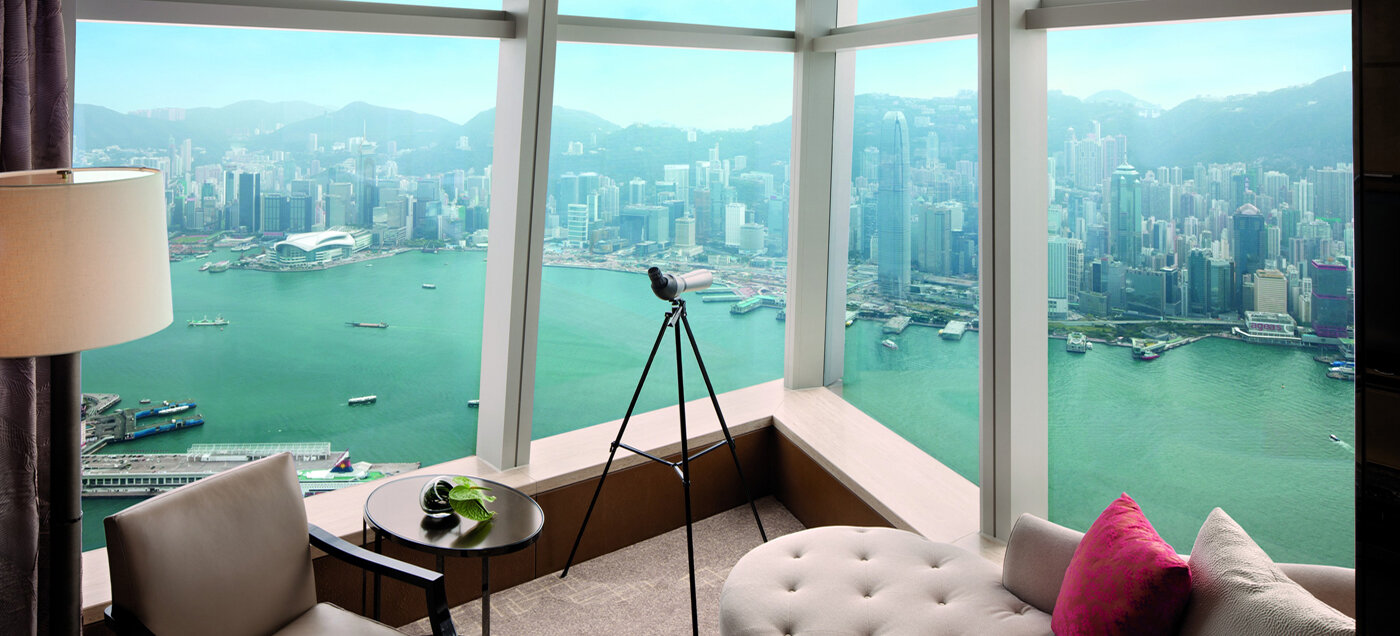
Among the region’s standout markets, Hong Kong has emerged as one of the most closely monitored destinations for Asia-Pacific luxury hotel investment. Despite increasing investor interest, acquisition opportunities remain exceptionally limited because many of the city’s landmark luxury hotels are tightly controlled by local conglomerates, prominent family offices, private investment groups, and long-term strategic owners. This scarcity has created an exclusive investment landscape where premium hospitality assets rarely become available for sale, significantly enhancing their long-term value.
According to JLL, constrained ownership structures continue to shape Hong Kong’s luxury hotel market. Cleavon Tan, Senior Vice President of JLL’s Hotels & Hospitality Group in Hong Kong, noted that luxury hotels remain a highly sought-after asset class due to limited supply, recovering visitor demand, elevated replacement costs, and tightly held ownership. These factors continue to strengthen investor confidence whenever acquisition opportunities emerge within the city.
The positive outlook for Asia-Pacific luxury hotel investment is further supported by measured hotel development across Hong Kong. Rather than experiencing rapid new construction, the city’s luxury hospitality sector has evolved through carefully planned renovations, repositioning projects, and international brand relaunches. Recent developments include the reopening of Regent Hong Kong, the launch of Mondrian Hong Kong, the upcoming debut of Andaz Hong Kong Central, and the scheduled reopening of The Landmark Mandarin Oriental during 2026.
This disciplined supply strategy has helped existing luxury hotels capitalize on recovering demand from mainland Chinese visitors, international tourists, corporate travellers, and major business and entertainment events. As occupancy continues improving, owners have also shifted their focus beyond room revenue to enhancing operational profitability through efficient cost management.
The investment case for Asia-Pacific luxury hotel investment is also being reinforced by changing hospitality operating strategies. Hotel owners are increasingly monitoring gross operating profit margins as labour costs, utilities, maintenance expenses, and service expectations continue rising across the luxury sector. While operating costs remain comparatively higher than mainstream hotels, luxury properties continue demonstrating an ability to command premium room rates that help preserve healthy profit margins.
JLL’s research highlights that luxury hotels accounted for nearly 20% of all hotel transactions across the region during 2025, compared with only 8% in 2017. This growing market share illustrates how Asia-Pacific luxury hotel investment has evolved into one of the region’s fastest-growing hospitality asset classes, attracting both institutional and private investors seeking long-term capital preservation alongside attractive operational performance.
Xander Nijnens, Head of Advisory and Asset Management for Asia-Pacific at JLL Hotels & Hospitality Group, stated that the region’s luxury hospitality market is entering a defining period. He highlighted the convergence of expanding global wealth, evolving traveller preferences, and increasing cross-border investor participation as key drivers behind continued demand for premium hotel assets throughout Asia-Pacific.
Changing consumer behaviour is also reshaping Asia-Pacific luxury hotel investment opportunities. Luxury travellers increasingly prioritise wellness-focused resorts, culturally immersive experiences, bespoke hospitality offerings, and experiential travel rather than traditional accommodation alone. Hotel operators continue responding by expanding specialised luxury concepts while repositioning existing assets to attract affluent international guests seeking unique experiences.
At the same time, supply growth has remained disciplined across the region. JLL estimates that luxury hotel inventory has expanded at an average annual rate of approximately 4% over the past decade, helping avoid excessive development while maintaining balanced market conditions. The combination of stable supply and growing demand continues strengthening the long-term fundamentals supporting Asia-Pacific luxury hotel investment.
Industry analysts also observe that occupancy differences between luxury and mainstream hotels have narrowed significantly, indicating stronger year-round demand from affluent travellers. This sustained performance demonstrates that premium hospitality assets are becoming increasingly resilient beyond traditional peak travel seasons, further reinforcing the attractiveness of Asia-Pacific luxury hotel investment for institutional investors seeking dependable income-producing real estate.
Marina Bracciani, Vice President and Hotels Research Lead for Asia-Pacific at JLL, noted that luxury hospitality has fundamentally evolved through stronger pricing power, strategic asset repositioning, and resilient demand from high-net-worth travellers. She added that moderate supply growth should continue supporting hotel owners’ ability to achieve premium room rates while maintaining healthy operating performance.
Looking ahead, Asia-Pacific luxury hotel investment is expected to remain one of the region’s most closely watched commercial real estate sectors as global travel continues normalising and investor appetite for high-quality hospitality assets strengthens. Markets characterised by limited supply, established international tourism appeal, and disciplined development pipelines are likely to attract sustained capital inflows over the coming years.
For investors, developers, hotel operators, and institutional funds, Asia-Pacific luxury hotel investment represents an increasingly attractive opportunity to participate in a sector supported by resilient travel demand, premium asset positioning, and long-term value creation. As capital continues returning to luxury hospitality across the region, Hong Kong’s scarcity-driven market is expected to remain a benchmark destination for premium hotel investment opportunities.
This article is based on publicly available information believed to be reliable at the time of publication. ePropertyNews does not independently verify all statements, makes no representations or warranties regarding their accuracy or completeness, and disclaims all liability for any loss or damage arising from the use of or reliance on this content.